Tallahassee, FL · Garage Door Service
Tallahassee homes built between 1978 and 2004 often run original openers with no battery backup - here's what to check before the next power cut leaves your door stuck shut.
Start with the age of the unit. A lot of openers in this area date back to the 1978-2004 building boom that put up most of the housing stock here, which means chain-drive units with no battery backup are common, not rare. If the power goes out, that opener stops dead - no backup kicks in to lift the door. Find the manual release cord (usually a red handle hanging from the trolley) before you need it in the dark, not during.
Next, look at the wiring where it enters the opener housing. Humidity in this part of the country works on insulation and connectors over the years, and a loose or corroded splice is a common reason an opener won't restart cleanly after power comes back. Check the wall control unit too - old ones can lose programming after an outage and need to be re-paired to the receiver.
Last, test the manual release itself. On units this old, the release mechanism sometimes seizes from disuse. You want to know it moves freely before the day you actually need it, not after.
The service area runs about 6,047 households, with 3,414 of those owner-occupied houses, spread across neighborhoods with real differences in age and build. Betton Hills and Lafayette Park sit close in and skew older within that 1978-2004 range; Killearn Estates, Killearn Acres, and Killearn Lakes further out were mostly built during the same 1980s-90s wave that defined four named areas across the region. Ox Bottom Manor and Summerbrook came a bit later in that window.
What that means in practice: a large share of openers out there are original equipment, installed when the house was built and never swapped. Nobody's stocking parts for some of those older chain-drive models anymore, so a failed circuit board sometimes means a new opener rather than a repair.
At a median household income of $57,600 across the area, replacing an opener outright isn't always the first move a homeowner makes here - a lot of people want to know if the existing unit can be nursed along another few years before they commit to new equipment. That's a fair question, and the honest answer depends on what's actually failed.
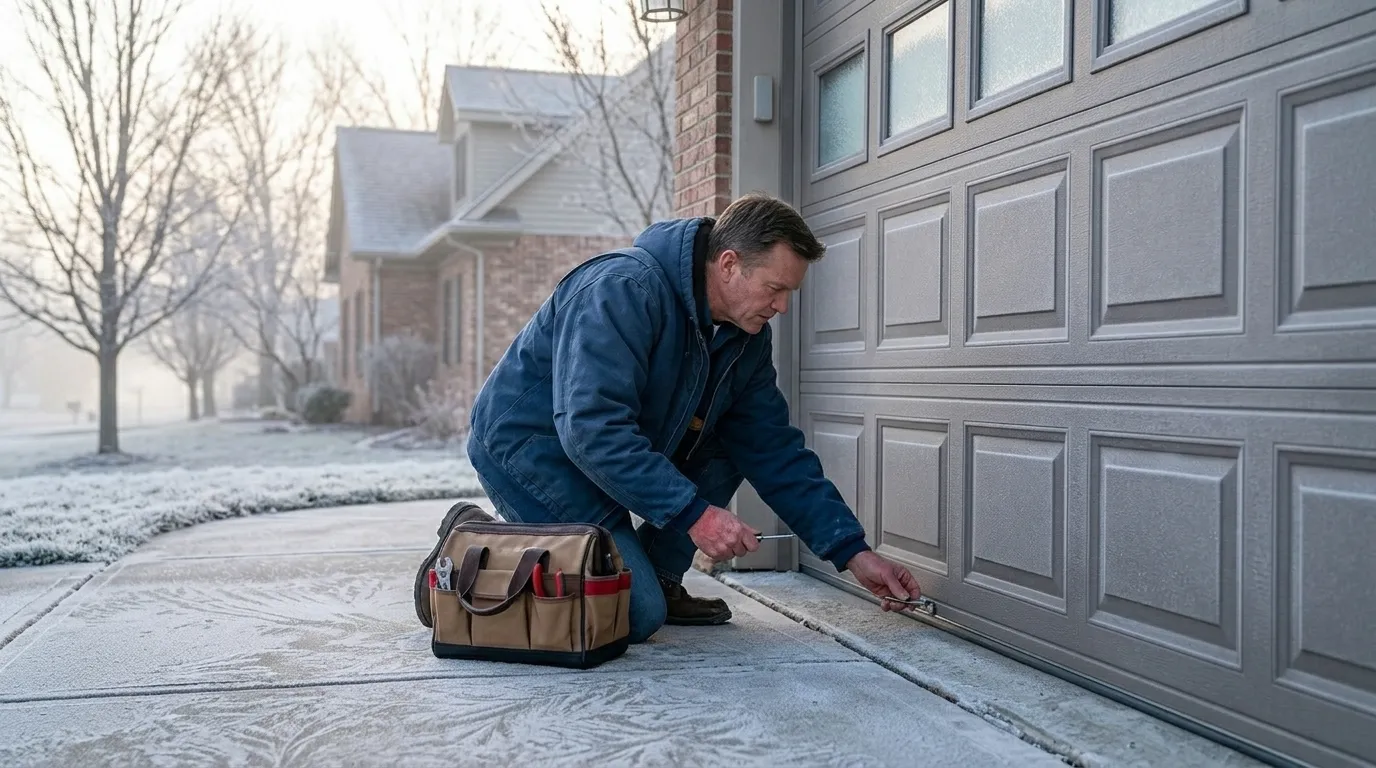
This area sits in a mild climate band with occasional freezes, not a harsh one. That sounds like good news for a garage door opener, and mostly it is - you're not dealing with the extreme temperature swings that crack plastic gears or freeze springs solid overnight. But mild-with-freeze cuts both ways: humidity sits in the air most of the year, which is harder on exposed circuit boards and wire connections than a dry climate would be, and then a handful of nights a year drop cold enough to make old lubricant stiffen up and metal contract just enough to bind a track that was fine the day before.
A power cut on one of those cold nights is the worst combination for an older opener - the manual release cord is stiff from cold, the battery backup that would normally help doesn't exist because the unit predates that feature, and now you're standing in the driveway trying to lift a door by hand for the first time in years. None of this is dramatic. It's just the slow, ordinary wear that a decades-old opener in this climate accumulates, and it shows up exactly when the power's already out.
Call if the manual release won't move, if the opener runs but the door doesn't respond, or if you smell anything burnt near the unit after an outage - that's a job for someone who can open the housing safely, not a DIY fix. Same goes for anything involving the torsion spring; that's not something to troubleshoot yourself regardless of what's causing the trouble.
Here's the limitation worth stating plainly: we don't stock parts for every opener model still running in houses built in the 1980s and 90s. Some of those units are old enough that the manufacturer doesn't support them anymore, and when that's the case, repair isn't realistic - replacement is the honest recommendation, even though it costs more upfront. We'll tell you when that's the situation rather than charging for a repair that won't hold.
If your opener is newer, or the issue turns out to be the wiring or wall control rather than the motor itself, that's usually a straightforward fix. The difference matters, and it's worth a look before you decide which way to go.
Most openers installed in houses built between 1978 and 2004 don't have battery backup - that feature came later. Without power, the motor has no way to run, so you're relying on the manual release to open the door by hand until power comes back.
This area doesn't see harsh winters, but the occasional freeze still stiffens old lubricant and contracts metal parts slightly. On an opener that's original to a house built decades ago, that small change is sometimes enough to bind a track or make the manual release stick.
Depends on what failed. If it's the wiring or wall control, repair usually makes sense. If it's the motor or circuit board on an older unit with no parts support, replacement is the more honest answer even though it costs more upfront.
Call now or request a free quote - same-day service on most repairs, upfront written pricing.